
Why Should You Visit a Physiotherapist in Bilaspur for Pain Relief?
October 23, 2026 - 0 COMMENTS

Pain can affect your daily routine, reduce your mobility, and make simple activities difficult. Whether you experience back pain, neck stiffness, joint discomfort, or muscle injuries, the right treatment can help you regain comfort and movement. Physiotherapy offers a non-surgical approach to managing pain, improving flexibility, and restoring physical function.
A qualified physiotherapist in Bilaspur can assess your condition, identify movement-related problems, and recommend exercises and treatment techniques suited to your needs. Instead of focusing only on temporary relief, physiotherapy often addresses the factors that contribute to pain and limited mobility.
With a personalised treatment plan, you can gradually improve your strength, posture, balance, and ability to perform everyday activities.
How Can a Physiotherapist in Bilaspur Help Manage Chronic Pain?
Chronic pain can continue for weeks or months and interfere with your work, sleep, and personal life. Conditions such as arthritis, persistent lower back pain, and recurring neck discomfort may require consistent care and lifestyle adjustments.
A professional physiotherapist evaluates your symptoms, medical history, physical limitations, and daily activities before recommending treatment. Depending on your condition, your treatment plan may include:
- Therapeutic exercises to improve strength and flexibility.
- Manual therapy to improve joint mobility when appropriate.
- Posture correction to reduce unnecessary strain.
- Movement training to improve everyday function.
- Advice on activity modification and home exercises.
These techniques can help you manage symptoms and move with greater confidence. Your physiotherapist may also adjust your treatment as your condition improves.
However, chronic pain can have several causes. A proper medical assessment helps determine whether physiotherapy alone is suitable or whether you need additional investigations or specialist care.
Which Conditions Can Physiotherapy Help Treat?
Physiotherapy supports recovery from many musculoskeletal conditions and movement difficulties. Your treatment will depend on the cause and severity of your symptoms.
Can Physiotherapy Reduce Back and Neck Pain?
Poor posture, prolonged sitting, repetitive movements, and muscle strain can contribute to back and neck discomfort. Physiotherapy can help improve spinal mobility, strengthen supporting muscles, and encourage healthier movement patterns.
Your therapist may recommend stretching, strengthening exercises, ergonomic adjustments, and posture education. These measures can reduce strain and help you manage recurring discomfort.
If back or neck pain occurs with new weakness, numbness, difficulty walking, or loss of bladder or bowel control, seek urgent medical attention rather than relying on routine physiotherapy.
How Does Physiotherapy Support Joint Pain Relief?
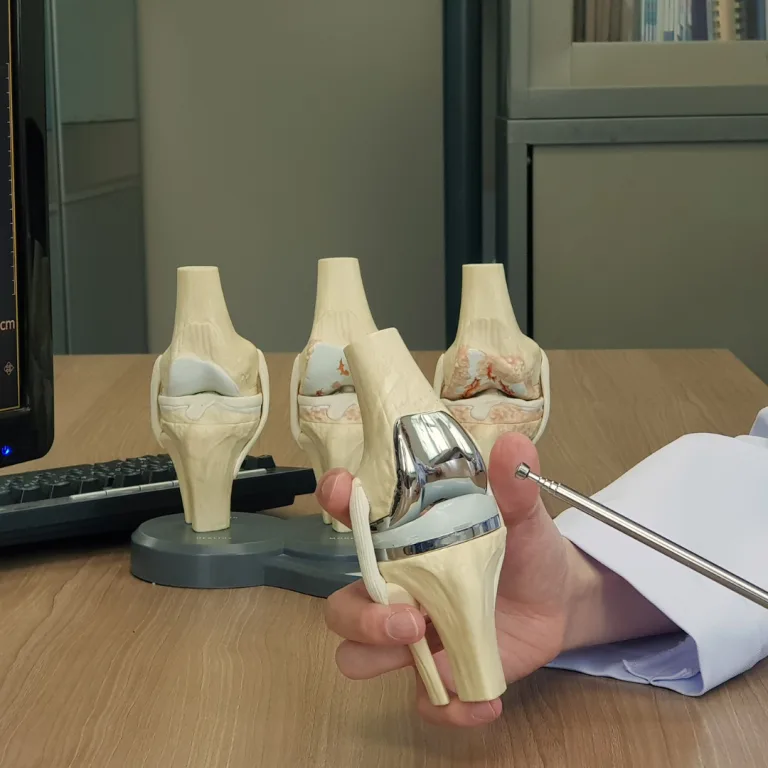
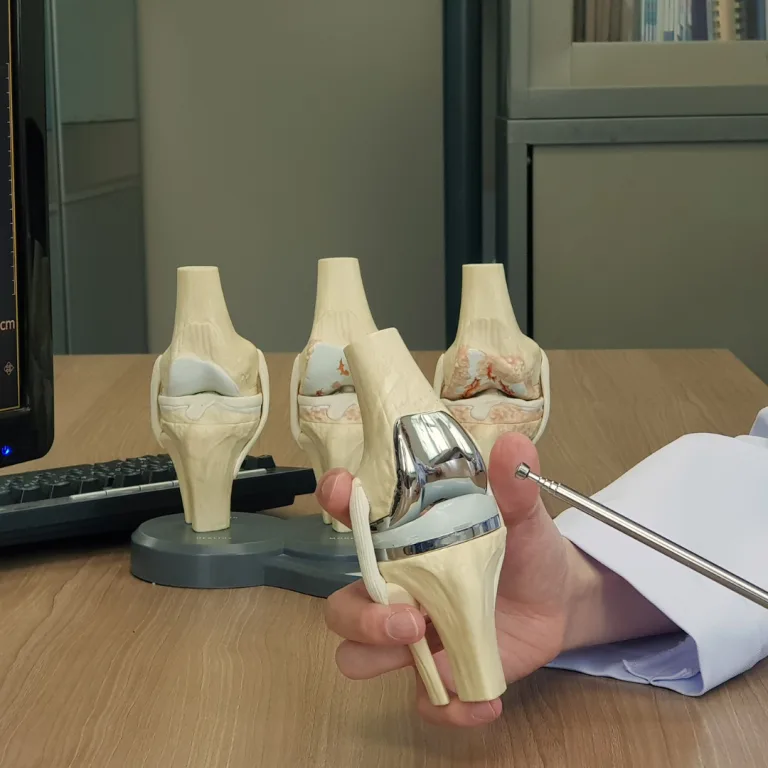
Knee, shoulder, hip, and ankle pain can limit your ability to walk, climb stairs, lift objects, or participate in recreational activities. Physiotherapy can help improve joint movement and strengthen the muscles surrounding affected joints.
For people living with arthritis or recovering from an injury, an appropriate exercise programme may reduce stiffness and improve physical function. Your physiotherapist will select exercises according to your comfort, mobility, and medical needs.
Can Physiotherapy Help After an Injury?
Sports injuries, muscle strains, ligament injuries, and fractures can affect strength and coordination. Physiotherapy can support recovery by gradually restoring movement, flexibility, balance, and muscle strength.
After a fracture or surgery, always follow your treating doctor’s instructions before starting rehabilitation. Your physiotherapist can then guide you through suitable exercises and progressive activity.
Why Is Personalised Physiotherapy Treatment Important?
Every person experiences pain differently. Two people with similar symptoms may need different treatment approaches because their activity levels, medical histories, strength, and recovery goals differ.
A personalised treatment plan begins with an assessment of your movement, flexibility, muscle strength, posture, and pain levels. Your physiotherapist uses these findings to identify suitable treatment methods and establish realistic goals.
For example, an office worker with neck stiffness may benefit from posture education, movement breaks, and strengthening exercises. An older adult with knee discomfort may need balance training, gentle strengthening, and support with daily activities.
Regular assessments help your therapist monitor progress and modify exercises when necessary. This approach makes treatment more relevant to your needs and helps you participate actively in your recovery.
How Can Physiotherapy Improve Mobility and Flexibility?
Restricted movement can make everyday tasks tiring and uncomfortable. Muscle tightness, joint stiffness, injuries, and prolonged inactivity can all reduce flexibility.
Physiotherapy uses appropriate stretching, strengthening, and mobility exercises to help you move more comfortably. Your therapist may also teach you how to perform movements safely and avoid unnecessary strain.
Improved mobility can make activities such as walking, bending, reaching, and climbing stairs easier. Strength and balance exercises may also help reduce the risk of falls in people who have balance difficulties.
For the best results, follow your prescribed exercise routine and increase activity gradually. Avoid pushing through sharp or worsening pain, and inform your physiotherapist if an exercise causes unusual symptoms.
When Should You Consult a Physiotherapist for Pain Relief?
You should consider consulting a physiotherapist when pain, stiffness, or restricted movement interferes with your daily activities. Early assessment can help identify movement problems and guide appropriate treatment.
You may benefit from professional advice if you experience:
- Persistent back, neck, or shoulder discomfort.
- Joint stiffness that limits your movement.
- Muscle weakness after an injury or period of inactivity.
- Difficulty returning to exercise or sports.
- Reduced mobility after surgery, once your doctor approves rehabilitation.
- Recurrent discomfort related to work posture or repetitive activities.
Do not ignore severe or unexplained pain. Sudden chest pain, major injuries, rapidly increasing weakness, or other serious symptoms require urgent medical assessment.
A physiotherapist can also coordinate with your doctor when your symptoms suggest that you need further evaluation.
What Should You Look for When Choosing a Physiotherapist in Bilaspur?
Choosing the right professional can make your rehabilitation experience more comfortable and productive. Look for a qualified physiotherapist who understands your condition and explains your treatment options clearly.
Consider these important factors before beginning treatment:
Professional qualifications: Check the physiotherapist’s recognised qualifications, relevant experience, and registration where applicable.
Individual assessment: Choose a provider who evaluates your condition before recommending exercises or other treatments.
Clear communication: Your therapist should explain your goals, expected progress, exercise routine, and any precautions you need to follow.
Progress monitoring: Regular reviews help determine whether your treatment plan is working or needs adjustment.
Patient education: A good physiotherapist teaches you how to manage symptoms and perform exercises safely at home.
You should also consider accessibility, appointment availability, hygiene, and coordination with other healthcare professionals when necessary.
Why Consider a Hospital-Based Approach to Physiotherapy?
Some conditions require more than exercise-based rehabilitation. A patient with severe joint pain, a suspected fracture, a spinal problem, or symptoms following an accident may need medical evaluation before starting physiotherapy.
Choosing the Best hospital in Mangla Chowk Bilaspur for your healthcare needs can be helpful when you require access to orthopaedic assessment, diagnostic services, medical consultation, or rehabilitation support. The appropriate facilities depend on your condition and the services available at the hospital.
A coordinated approach can help your treating doctor and physiotherapist work towards shared recovery goals. Before choosing a facility, confirm its available services, the qualifications of its healthcare professionals, and whether it offers the specific care you require.
Mundra Hospital is a name patients can consider when exploring local hospital options. Contact the hospital directly to confirm its current physiotherapy services, available specialists, and appointment arrangements before visiting.
How Can You Support Your Recovery at Home?
Physiotherapy works best when you follow your treatment plan consistently. Your daily habits can influence your comfort, movement, and progress.
Follow these practical steps:
- Perform your prescribed exercises at the recommended frequency.
- Take regular movement breaks if you sit for long periods.
- Maintain a comfortable posture while working or using digital devices.
- Use appropriate footwear and follow safety advice during physical activities.
- Get adequate sleep and maintain a balanced diet.
- Attend follow-up appointments and report any changes in your symptoms.
Avoid copying exercises from the internet without understanding whether they suit your condition. An exercise that helps one person may worsen another person’s symptoms.
Consistency matters more than rushing through difficult exercises. Follow professional guidance and give your body enough time to adapt.
Can Visiting a Physiotherapist in Bilaspur Help You Return to an Active Life?
Pain should not prevent you from enjoying your daily activities when appropriate treatment and rehabilitation can help. Physiotherapy offers a structured way to improve movement, build strength, manage discomfort, and develop healthier physical habits.
Consulting a qualified physiotherapist in Bilaspur can help you understand your symptoms and explore suitable treatment options. Whether you need support for back pain, joint stiffness, an injury, or post-operative rehabilitation, an individualised programme can help you work towards realistic recovery goals.
Mundra Hospital can be considered as part of your search for local healthcare support. Confirm the services available and seek professional guidance to determine the most appropriate care for your needs.
Take the first step towards better mobility by addressing persistent pain early, following expert advice, and staying consistent with your recovery plan. With the right assessment and a practical approach to rehabilitation, you can work towards moving more comfortably and returning to the activities that matter to you.
 AUTHOR
SHANE DOE
Hello!! My name is SHANE DOE, I’m glad if you are reading this, which means you are someone who likes the environmental, construction, business, electronics, and lifestyle-related blogs because this is what our website delivers about. I hope you enjoyed it all.