
A320 Base Training for Future Airline Pilots
August 5, 2026 - 0 COMMENTS
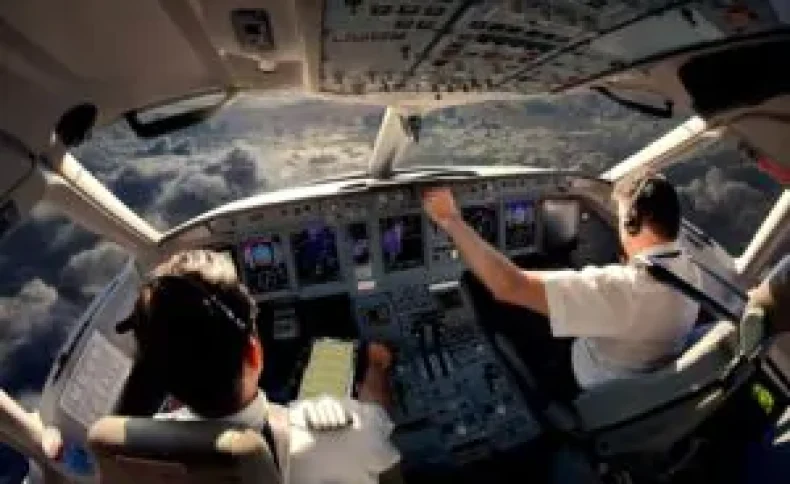
For aspiring commercial pilots, earning an Airbus qualification is a significant milestone in building a successful aviation career. Completing an A320 TYPE RATING is only the beginning of the journey. Before flying passengers on scheduled airline operations, pilots must also complete A320 BASE TRAINING, an essential phase that bridges the gap between simulator training and real aircraft operations.
This practical training equips pilots with the confidence, technical skills, and real-world experience needed to transition safely into airline service. Understanding both stages helps future pilots prepare for one of the most exciting steps in professional aviation.
What Is an A320 Type Rating?
An A320 TYPE RATING is a specialized certification that authorizes pilots to operate aircraft within the Airbus A320 family, including the A319, A320, and A321 variants, depending on regulatory approvals and airline requirements.
Unlike a private or commercial pilot licence, a type rating focuses on one specific aircraft family. During the course, pilots learn the aircraft’s systems, automation, flight management computer, normal procedures, abnormal procedures, emergency operations, and performance characteristics.
Training typically combines classroom instruction, computer-based learning, fixed-base simulation, and full-flight simulator sessions before moving toward practical assessments.
Understanding A320 Base Training
After successfully completing the simulator portion of a type rating, pilots proceed to A320 BASE TRAINING. This stage involves flying the actual Airbus aircraft under the supervision of qualified instructors.
Base training usually focuses on repetitive take-offs and landings. These flights allow pilots to experience the aircraft’s handling characteristics outside the simulator while developing confidence in real operating conditions.
The transition from simulator to aircraft is an exciting milestone because it allows pilots to apply their knowledge in a live flight environment.
Why Base Training Is Important
Although modern flight simulators are remarkably realistic, flying an actual aircraft introduces sensations and operational factors that cannot be fully replicated.
During A320 BASE TRAINING, pilots gain experience with:
- Real aircraft acceleration
- Actual runway operations
- Aircraft handling during rotation
- Landing flare techniques
- Crosswind awareness
- Touch-and-go procedures
- Communication with air traffic control
These experiences help pilots become more comfortable before beginning airline line training.
Skills Developed During Training
Professional Airbus training develops both technical expertise and sound decision-making.
Aircraft Handling
Pilots refine manual flying skills while learning how the aircraft responds during different flight phases.
Automation Management
Modern Airbus aircraft rely heavily on automation. Pilots learn when to use automated systems effectively and when manual control is more appropriate.
Crew Coordination
Commercial aviation depends on teamwork. Training emphasizes effective communication between the captain and first officer using standardized operating procedures.
Situational Awareness
Pilots continuously monitor aircraft performance, weather, navigation, and surrounding traffic while maintaining safe flight operations.
The Structure of an Airbus Training Program
Although individual training organizations may vary slightly, most programs follow a structured sequence.
Ground School
Students learn:
- Aircraft systems
- Electrical systems
- Hydraulic systems
- Fuel management
- Flight controls
- Aircraft limitations
- Performance calculations
Simulator Training
Pilots practise:
- Normal flight operations
- Instrument procedures
- Engine failures
- System malfunctions
- Emergency scenarios
- Crew resource management
Skill Assessment
Examiners evaluate the pilot’s ability to safely operate the aircraft according to aviation authority standards.
Base Training Flights
Finally, pilots complete A320 BASE TRAINING, performing multiple take-offs and landings in the actual aircraft.
Career Advantages
Completing both the type rating and base training significantly improves employment opportunities.
Many airlines actively recruit pilots who already possess a valid A320 TYPE RATING, as it reduces the amount of initial training required after hiring.
Additional benefits include:
- Greater employability
- Faster airline onboarding
- Enhanced operational confidence
- Familiarity with airline procedures
- Stronger professional résumé
For pilots entering competitive airline recruitment, these qualifications demonstrate commitment and readiness.
Preparing for Success
Pilots can maximize their training experience through careful preparation.
Helpful strategies include:
Study Aircraft Systems Thoroughly
A strong understanding of aircraft systems makes simulator sessions far more productive.
Practise Standard Operating Procedures
Following checklists and standard callouts consistently builds professional habits expected by airlines.
Maintain Good Physical Health
Commercial pilot training requires concentration and endurance. Adequate rest, hydration, and fitness contribute to better performance.
Stay Calm Under Pressure
Training includes challenging scenarios designed to improve decision-making. Remaining composed helps pilots respond effectively during abnormal situations.
Common Challenges
Most pilots encounter obstacles during advanced aircraft training.
These may include:
- Managing cockpit workload
- Understanding complex aircraft systems
- Adapting to Airbus automation philosophy
- Improving manual landing technique
- Building confidence in real aircraft operations
Consistent practice and constructive instructor feedback help overcome these challenges successfully.
Choosing the Right Training Organization
Selecting a reputable aviation training provider is one of the most important decisions in a pilot’s career.
When comparing training providers, consider:
- Instructor experience
- Regulatory approvals
- Simulator quality
- Aircraft availability
- Airline partnerships
- Student success rates
- Training support services
A well-established organization offers structured learning, experienced instructors, and high safety standards throughout the training process.
The Future of Airbus Pilots
The global aviation industry continues to recover and expand, creating long-term demand for qualified airline pilots. The Airbus A320 family remains one of the world’s most widely operated commercial aircraft, serving airlines across domestic and international routes.
Pilots who successfully complete an A320 TYPE RATING along with A320 BASE TRAINING position themselves for exciting opportunities with airlines operating modern Airbus fleets. As airlines continue to modernize and expand, these qualifications remain highly valuable in the commercial aviation industry.
Final Thoughts
Building a successful airline career requires dedication, technical knowledge, and practical experience. Completing an A320 TYPE RATING provides the foundation for operating one of the world’s most popular commercial aircraft, while A320 BASE TRAINING delivers invaluable real-aircraft experience that prepares pilots for airline operations.
By choosing quality training, committing to continuous learning, and developing strong operational skills, aspiring pilots can confidently take the next step toward achieving their dream of flying for commercial airlines and building a rewarding career in aviation.
 AUTHOR
SHANE DOE
Hello!! My name is SHANE DOE, I’m glad if you are reading this, which means you are someone who likes the environmental, construction, business, electronics, and lifestyle-related blogs because this is what our website delivers about. I hope you enjoyed it all.