
Clinical Evaluation and GMP: Building Trust in Medical Devices
September 28, 2026 - 0 COMMENTS

Medical devices must meet strict expectations for safety, performance, quality, and regulatory compliance before they can reach the market. Manufacturers therefore need well-organized processes that demonstrate both product safety and reliable production practices. Two important areas in this process are Clinical evaluation medical device and GMP Certification. Although they address different aspects of compliance, both contribute to creating products that are consistent, safe, and suitable for their intended use.
Understanding Clinical Evaluation for Medical Devices
A clinical evaluation is a structured assessment of clinical evidence related to a medical device. It helps manufacturers demonstrate that a device performs as intended and provides an acceptable level of safety when used according to its intended purpose.
The evaluation may consider clinical investigation results, scientific literature, post-market information, and data from equivalent or similar devices where appropriate. The amount and type of evidence required can vary depending on the device, its classification, intended purpose, technological characteristics, and applicable regulations.
A properly prepared Clinical evaluation medical device process should connect the device’s intended purpose with relevant clinical evidence. Manufacturers need to identify appropriate data, assess its quality and relevance, and determine whether the available evidence sufficiently supports the device’s safety and performance.
Why Clinical Evidence Matters
Clinical evidence provides an important foundation for regulatory submissions and ongoing product assessment. It can help identify potential risks, support performance claims, and demonstrate that the device delivers its intended clinical benefits.
Clinical evaluation is not simply a document prepared once and then forgotten. Medical device manufacturers may need to review and update their evaluation as new clinical information becomes available. Complaints, post-market surveillance findings, new scientific publications, clinical investigations, and changes to the device can all influence the evidence base.
Maintaining current clinical documentation also helps manufacturers respond more effectively to regulatory expectations and changing product conditions.
What GMP Certification Means
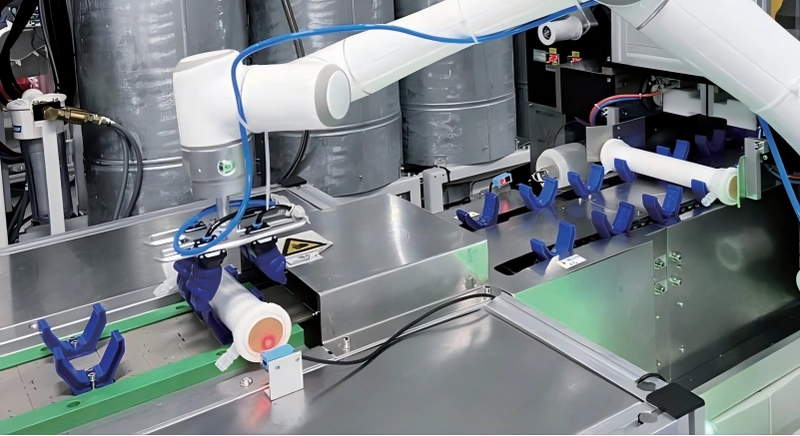
Good Manufacturing Practice, commonly known as GMP, focuses on how products are manufactured and controlled. GMP Certification demonstrates that a manufacturing organization has established processes designed to maintain consistent product quality and control manufacturing-related risks.
GMP principles can cover areas such as personnel responsibilities, manufacturing procedures, equipment maintenance, documentation, quality control, sanitation, supplier management, production records, and corrective actions.
For medical device manufacturers, effective manufacturing controls are particularly important because a product that has strong clinical evidence still needs to be produced consistently. Variations in materials, processes, equipment, or environmental conditions can affect the quality and performance of the finished device.
Connecting Clinical Evaluation With Manufacturing Quality
Clinical evidence and manufacturing quality are separate compliance areas, but they can influence each other. Clinical evaluation focuses primarily on evidence related to safety and performance, while GMP focuses on controlled and repeatable manufacturing practices.
For example, suppose a manufacturer develops a device using a particular material and manufacturing process. Clinical evidence may support the device’s safety and intended performance, while manufacturing controls help ensure that commercial production continues to meet the specifications represented by the evaluated device.
This connection makes change control especially important. If a manufacturer changes a material, supplier, production process, manufacturing site, or critical component, the organization should assess whether the change could affect product quality, safety, performance, or existing clinical evidence.
Building a Strong Quality System
A reliable quality management approach helps manufacturers organize regulatory and production activities efficiently. Documentation should be clear, traceable, current, and supported by appropriate evidence.
Manufacturers can establish procedures for collecting clinical information, reviewing scientific literature, monitoring post-market data, controlling production changes, investigating nonconformities, and maintaining manufacturing records.
Training is another important element. Employees involved in production, quality assurance, regulatory affairs, engineering, and clinical activities should understand their responsibilities and follow approved procedures consistently.
A strong system also encourages communication between departments. Regulatory teams may identify new requirements, clinical teams may discover relevant evidence, and manufacturing teams may identify process changes. Sharing this information helps the organization assess potential effects across the product lifecycle.
Maintaining Compliance After Market Launch
Regulatory responsibility does not necessarily end when a medical device receives market authorization. Manufacturers often need to continue monitoring product performance and safety after commercialization.
Post-market information can provide valuable evidence for updating clinical evaluations and identifying opportunities for product improvement. Manufacturing quality data can also reveal trends that require corrective or preventive action.
Regular reviews help manufacturers determine whether existing documentation remains accurate and whether additional evidence or process improvements are needed.
Conclusion
Successful medical device development requires more than designing a functional product. Manufacturers must demonstrate appropriate clinical evidence while maintaining controlled and consistent production processes. Clinical evaluation medical device activities help establish evidence supporting safety and performance, while GMP Certification reflects the importance of disciplined manufacturing and quality controls.
When these activities are managed as connected parts of a broader quality and regulatory strategy, manufacturers can improve documentation, strengthen traceability, manage changes more effectively, and support product quality throughout the device lifecycle. A systematic approach to clinical evidence and manufacturing practices ultimately helps organizations build a stronger foundation for regulatory compliance and responsible medical device development.
 AUTHOR
SHANE DOE
Hello!! My name is SHANE DOE, I’m glad if you are reading this, which means you are someone who likes the environmental, construction, business, electronics, and lifestyle-related blogs because this is what our website delivers about. I hope you enjoyed it all.