
How Can Beginners Choose the Right Driving School?
October 17, 2026 - 0 COMMENTS

Learning to drive is an important milestone that brings independence, convenience, and new opportunities. However, beginners often feel nervous when they start learning because they need to understand traffic rules, operate a vehicle, and make safe decisions on the road. Choosing the right driving school can make this journey easier and help new drivers develop essential skills from the beginning.
A professional driving school provides structured lessons, experienced instructors, and practical training to help learners become confident drivers. The right school also teaches road safety, responsible driving habits, and techniques for handling different traffic conditions.
If you are searching online for a Driving school near me, you should compare several factors before making your decision. This guide explains how beginners can select a suitable driving school and get the most value from their driving lessons.
1. Why Should Beginners Choose a Professional Driving School?
Beginners need proper guidance to learn driving safely and correctly. A professional driving school introduces essential skills in a structured manner, allowing learners to progress from basic vehicle controls to more challenging road situations.
Professional instructors explain how to operate the steering wheel, accelerator, brake, clutch, and gears. They also teach learners how to check mirrors, use indicators, maintain safe distances, and follow traffic signals.
Learning through a structured program helps beginners avoid developing unsafe habits. Instructors can identify mistakes early and explain how to correct them before they become difficult to change.
A professional driving school also helps learners understand their responsibilities toward pedestrians, cyclists, passengers, and other road users.
Before enrolling, choose a school that prioritizes road safety, practical experience, and individual progress rather than simply helping students complete their lessons quickly.
2. How Can You Find a Reliable Driving School Near Me?
Searching for a Driving school near me can help you discover training centers in your area. However, you should evaluate each option carefully instead of choosing the closest school automatically.
Start by checking local driving schools online. Review their websites, available courses, instructor information, lesson schedules, and student feedback.
You can also ask friends, relatives, or colleagues to recommend schools they have used. Their experiences may help you understand how instructors communicate, organize lessons, and support beginners.
Consider these factors when comparing nearby driving schools:
- Location: Choose a school that you can reach conveniently.
- Reputation: Read genuine reviews and look for consistent feedback about the training experience.
- Lesson availability: Find a school that offers suitable timings.
- Training approach: Check whether instructors provide structured lessons and personalized guidance.
- Vehicle condition: Ask whether the school maintains its training vehicles properly.
- Pricing: Compare lesson fees and confirm what each package includes.
Contact the schools that meet your requirements and ask questions before booking. This approach helps you make an informed decision.
3. What Qualifications Should a Driving Instructor Have?
Your instructor plays a major role in your learning experience. A knowledgeable, patient, and responsible instructor can help you understand driving techniques and build confidence gradually.
Before choosing a driving school, ask about the instructors’ qualifications, experience, and authorization to provide driving instruction under applicable local rules.
Experienced instructors often understand the challenges beginners face. They know how to explain unfamiliar concepts, correct mistakes constructively, and adjust lessons according to a learner’s progress.
You should also consider the instructor’s communication style. A good instructor explains instructions clearly, answers questions patiently, and avoids creating unnecessary pressure.
For example, if you struggle with parking, your instructor should demonstrate the correct method and allow you to practise under supervision. Constructive feedback helps you understand your mistakes and improve your technique.
Choose a driving school that values professional conduct, safe training practices, and respectful communication.
4. Why Should You Compare Driving Lesson Packages?
Driving schools may offer different lesson packages based on training duration, the number of sessions, and the skills covered. Comparing these options helps you select a program that suits your budget and learning needs.
Some beginners may need more practice with vehicle controls, while others may require additional training in parking, turning, or navigating busy roads.
Before purchasing a package, ask the school to explain the following details:
- Number of lessons included.
- Duration of each lesson.
- Type of vehicle used for training.
- Skills covered during the course.
- Availability of additional practice sessions.
- Cancellation and rescheduling policies.
- Any extra fees or charges.
Avoid choosing a school based on price alone. An inexpensive package may not offer the training time or flexibility you need, while a more expensive package does not automatically guarantee better instruction.
Instead, compare the overall value, lesson structure, instructor quality, and practical training opportunities.
A suitable driving school should explain its fees clearly and help you understand what you can expect from the course.
5. How Important Is Practical Training for Beginners?
Practical training allows beginners to apply what they learn and develop control over a vehicle. Reading traffic rules is useful, but driving safely also requires hands-on experience and sound judgment.
A good driving school introduces practical skills gradually. Beginners may start by learning the vehicle’s controls in a safe, appropriate training area before progressing to supervised road practice.
As your skills improve, your instructor can help you practise turning, changing lanes, maintaining safe distances, parking, and responding to traffic signals.
You should also gain experience with different road layouts and traffic conditions when your instructor considers you ready.
Ask whether the school’s training program includes enough practical driving time to help you develop these skills. Find out how the instructor evaluates progress and decides when you can move on to more advanced tasks.
Consistent practice helps you become familiar with the vehicle, recognize potential hazards, and make safer driving decisions.
6. What Safety Features Should You Check Before Enrolling?
Safety should remain a priority when you choose a driving school. Beginners need a suitable training vehicle, responsible supervision, and clear instructions throughout their lessons.
Ask whether the school regularly maintains its vehicles and checks essential components such as brakes, tyres, lights, and mirrors.
You should also confirm whether the training vehicle has appropriate insurance and meets applicable legal requirements. If the school offers dual-control vehicles, ask whether the instructor can use the additional controls to support safe training.
A responsible school should explain the safety procedures that apply during lessons. Instructors should also teach learners to use seat belts, check mirrors, observe blind spots, follow speed limits, and maintain a safe distance from other vehicles.
These practices help beginners understand that safe driving involves awareness, preparation, and responsible decisions.
7. Can Flexible Lesson Timings Help You Learn Better?
Many beginners balance driving lessons with school, college, work, or family responsibilities. Flexible scheduling can help them attend lessons consistently without disrupting their daily routines.
Before enrolling, ask whether the school offers morning, afternoon, evening, or weekend sessions. Check how easily you can reschedule a lesson if an unexpected commitment arises.
You should also consider the time required to travel to the school. A conveniently located training center can make regular attendance easier.
Consistency matters because learners need time to practise and reinforce new skills. Missing several lessons may interrupt your progress and make it harder to remember previous instructions.
Choose a school that offers a practical schedule and encourages steady learning.
8. How Can Student Reviews Help You Choose the Right Driving School?
Student reviews can provide useful information about a driving school’s teaching methods, communication, scheduling, and overall service.
Look for detailed feedback that describes actual learning experiences rather than relying only on star ratings. Reviews that mention patient instructors, clear explanations, well-maintained vehicles, and organized lessons can help you identify promising options.
However, do not base your decision on a single review. Compare feedback from different sources and consider whether the comments describe consistent patterns.
You can also contact the school directly to ask about its teaching process. If possible, speak with previous students about their experiences.
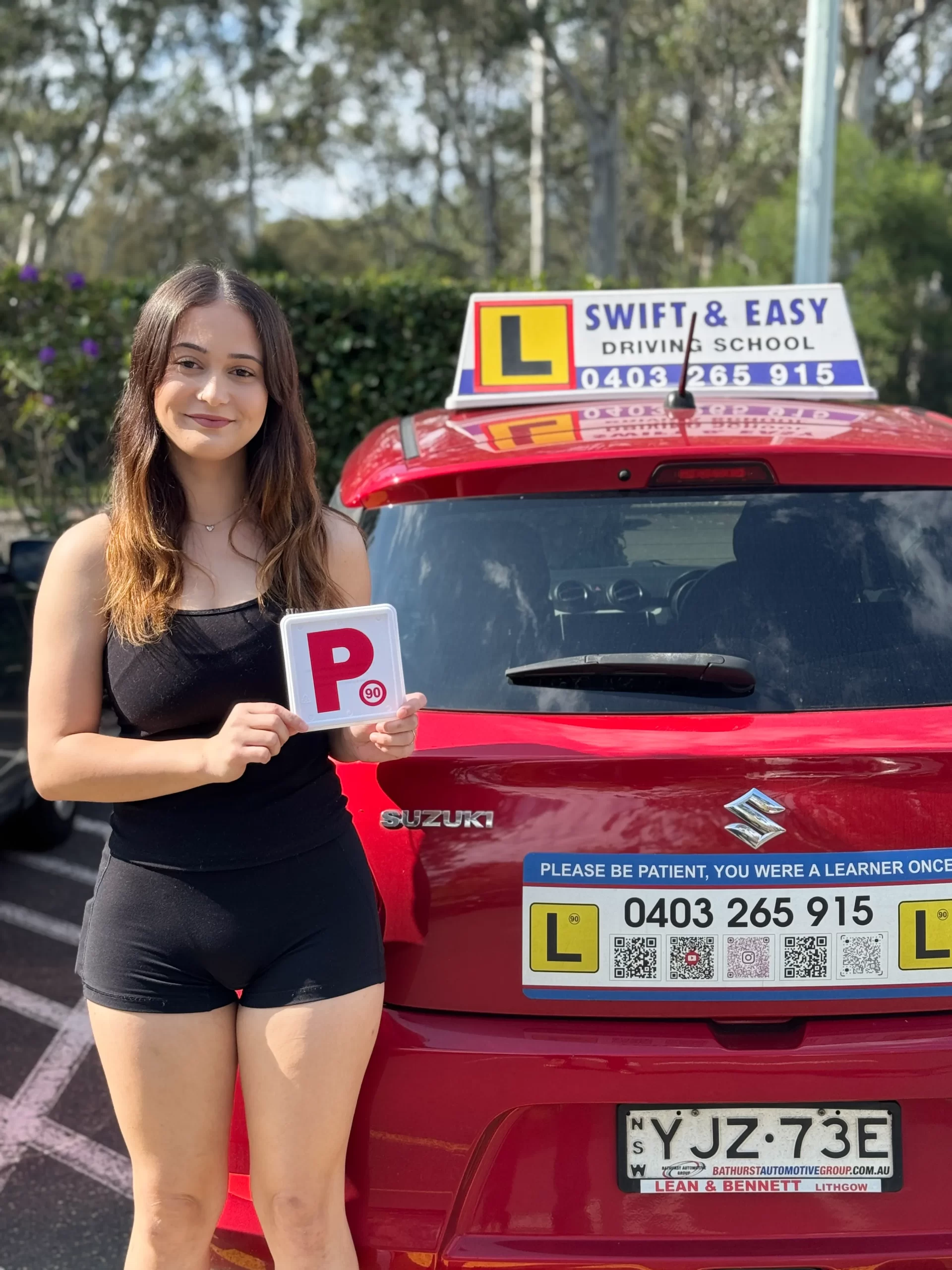
Swift and Easy Driving School is one name you can consider while comparing training options. Evaluate its available services, lesson structure, instructor qualifications, and suitability for your requirements before enrolling.
9. Should Beginners Ask Questions Before Joining a Driving School?
Yes. Asking questions helps you understand the school’s services and avoid unexpected costs or misunderstandings.
Before enrolling, ask how the instructor organizes lessons, how the school tracks your progress, and whether you can receive additional practice when necessary.
You should also confirm the documents required for enrollment and any learner’s permit requirements that apply to your location.
Discuss your concerns openly, especially if you feel nervous about driving or have never operated a vehicle before. A professional school should explain its approach and help you understand what your first lesson will involve.
Clear communication allows you to begin training with realistic expectations.
Conclusion: How Can You Make the Best Choice?
Choosing the right driving school requires careful research and a clear understanding of your learning goals. Beginners should compare instructor qualifications, practical training, safety standards, lesson schedules, student reviews, and course prices before enrolling.
When searching for a Driving school near me, look beyond convenience and focus on the quality of instruction and the value of the training program.
Swift and Easy Driving School can be included in your comparison as you explore suitable driving education options. Take time to ask questions, review the available lessons, and select a school that supports your progress.
With professional guidance, regular practice, and a commitment to road safety, you can develop the skills and confidence needed to become a responsible driver.
 AUTHOR
SHANE DOE
Hello!! My name is SHANE DOE, I’m glad if you are reading this, which means you are someone who likes the environmental, construction, business, electronics, and lifestyle-related blogs because this is what our website delivers about. I hope you enjoyed it all.