
Understanding the Different Types of Surgical Sutures and Why Antibacterial Sutures Matter
July 7, 2026 - 0 COMMENTS

Successful surgical outcomes depend on many factors, and one of the most important is selecting the right suture material. Whether a procedure is minor or highly complex, choosing the appropriate Types of surgical sutures helps ensure proper wound closure, promotes faster healing, and minimizes complications. Modern healthcare has also introduced Antibacterial sutures, which provide an additional layer of protection against surgical site infections. Understanding these options allows surgeons and healthcare professionals to make informed decisions that improve patient recovery.
Sutures are medical devices designed to hold tissues together after injury or surgery until healing occurs. They vary in material, strength, flexibility, and absorption rate, making each type suitable for specific medical applications. Manufacturers continue to innovate by developing advanced suture technologies that enhance healing while maintaining excellent tissue support.
When discussing the Types of surgical sutures, they are generally classified into absorbable and non-absorbable categories. Absorbable sutures gradually break down inside the body through natural biological processes, eliminating the need for removal. These sutures are commonly used for internal tissues where long-term support is unnecessary. On the other hand, non-absorbable sutures retain their strength for extended periods and are typically used for skin closure, cardiovascular procedures, and orthopedic surgeries where lasting tissue support is essential.
Another important classification involves natural and synthetic materials. Natural sutures, such as silk, have been used for decades due to their excellent handling characteristics. Synthetic sutures, including materials like polypropylene, polyglactin, and polydioxanone, have become increasingly popular because they provide predictable performance, reduced tissue reaction, and consistent tensile strength. Healthcare professionals evaluate wound type, tissue characteristics, infection risk, and healing time before selecting the most suitable suture.
The choice among different Types of surgical sutures also depends on the surgical specialty. General surgery often requires absorbable sutures for internal tissue approximation, while plastic surgery prioritizes fine sutures that minimize scarring. Cardiovascular surgeons frequently use durable, non-absorbable sutures to ensure long-term vessel stability. Orthopedic procedures demand high-strength sutures capable of supporting tendons and ligaments under continuous mechanical stress.
Advancements in medical technology have significantly improved suture performance. One notable innovation is the development of Antibacterial sutures, which are coated with antimicrobial agents designed to inhibit bacterial colonization around the wound. These sutures help reduce the risk of surgical site infections, one of the most common postoperative complications affecting patient recovery and healthcare costs.
The effectiveness of Antibacterial sutures lies in their ability to create a protective environment during the critical early stages of wound healing. Bacteria can attach to conventional sutures and form biofilms that become difficult to eliminate. Antimicrobial coatings reduce bacterial growth on the suture surface, lowering the chance of infection while maintaining the suture’s mechanical properties and handling performance.
Many hospitals have incorporated Antibacterial sutures into surgical protocols for procedures with elevated infection risks. They are particularly valuable in abdominal surgeries, colorectal operations, orthopedic implants, cardiovascular interventions, and trauma care. By reducing microbial contamination, these sutures contribute to better clinical outcomes, shorter hospital stays, and fewer postoperative complications.
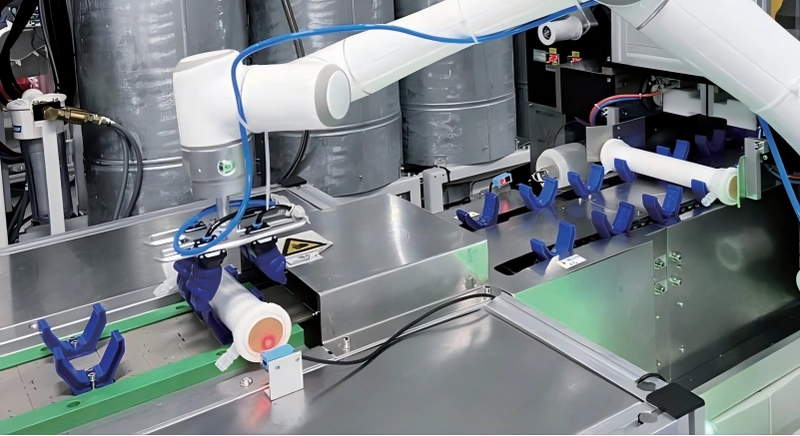
Quality manufacturing plays a crucial role in the effectiveness of surgical sutures. Companies like Dolphin Sutures focus on producing reliable products that meet stringent international quality standards. Precision manufacturing ensures consistent diameter, tensile strength, knot security, and sterility, allowing surgeons to perform procedures with confidence.
Proper surgical technique remains equally important regardless of the suture selected. Even the highest-quality Types of surgical sutures require accurate placement, appropriate knot tying, and careful tissue handling to achieve optimal wound healing. Surgeons combine their expertise with advanced suture technologies to maximize patient safety and surgical success.
Healthcare facilities should also consider factors such as patient medical history, wound contamination level, tissue vascularity, and expected healing duration when selecting Antibacterial sutures. While they offer valuable infection control benefits, they are most effective when integrated into comprehensive infection prevention strategies that include sterile techniques, proper antibiotic use, and postoperative wound care.
Continuous research is expanding the capabilities of surgical sutures through innovative coatings, improved biomaterials, and enhanced absorption profiles. These developments support better tissue compatibility and improved clinical performance across a wide range of surgical specialties. As technology evolves, surgeons gain access to increasingly sophisticated solutions that address both mechanical wound closure and infection prevention simultaneously.
Choosing the right Types of surgical sutures is a critical component of successful surgical care. Combined with the protective advantages offered by Antibacterial sutures, healthcare professionals can significantly improve healing outcomes while reducing postoperative complications. With a commitment to quality, innovation, and patient safety, Dolphin Sutures continues to support medical professionals by delivering advanced surgical solutions designed to meet the evolving needs of modern healthcare.
 AUTHOR
SHANE DOE
Hello!! My name is SHANE DOE, I’m glad if you are reading this, which means you are someone who likes the environmental, construction, business, electronics, and lifestyle-related blogs because this is what our website delivers about. I hope you enjoyed it all.